Nutrition and Wound Healing
There are various types of wounds, such as pressure ulcers, surgical wounds, chronic wounds, diabetic ulcers, and acute burns. Wound healing is a complex process that involves following a distinct care plan. Balanced nutrition also plays a part in helping with wound healing.
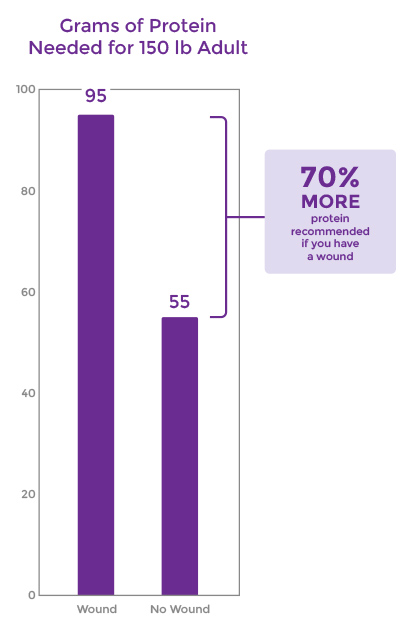
Protein is a very important nutrient involved in wound healing. If you have a wound, it is recommended that you consume at least 50% more protein each day.1 For example, if you have a wound, it is recommended to consume 95 grams of protein per day.2 However, many adults who need extra protein get less than 50% of the protein they need.3
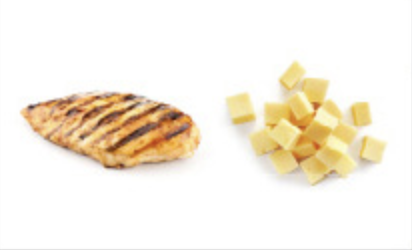
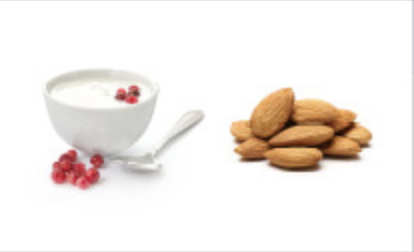
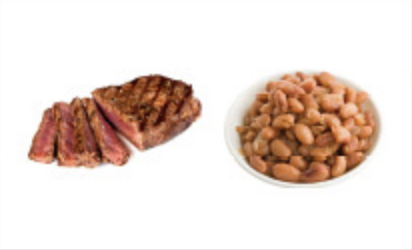
| What Does 95 Grams of Protein Per Day Look Like? | |
|---|---|

|
Breakfast
|
|
Lunch
|
|
Snack
|
|
Dinner
|
Because of the high amounts of protein required when you have a wound, your daily diet might not be enough*.
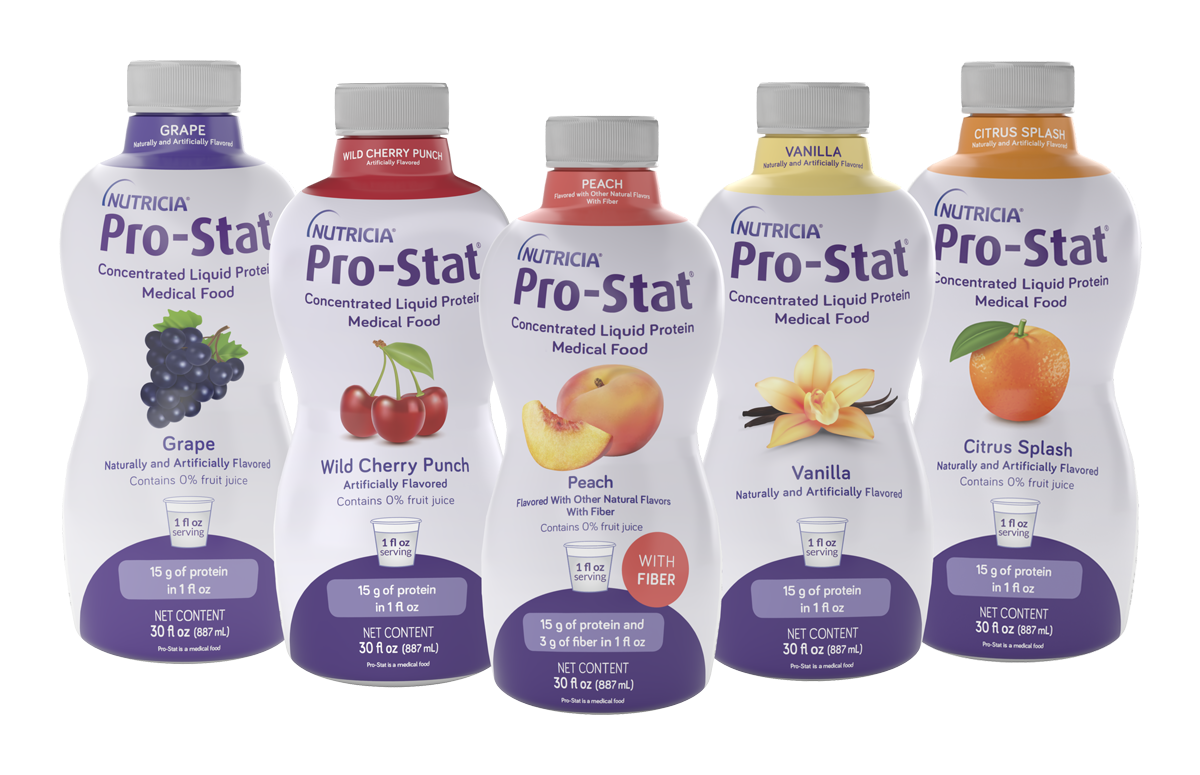
It’s easy to get necessary protein for wound healing by consuming Pro-Stat. Pro-Stat is a concentrated liquid protein medical food that contains between 11 and 17 grams of protein per 1 fl oz (2 Tbsp)!
| Need | Product |
| Wounds or pressure ulcer stage 1 or stage 2 | Pro-Stat |
| Chronic wounds or pressure ulcer stage 3 or 4 | Pro-Stat AWC (Advanced Wound Care) |
*Ask your healthcare professional which of these Pro-Stat products below work best for your individual needs:

Pro-Stat is a medical food to be used under medical supervision.
1. National Pressure Ulcer Advisory Panel, European Pressure Ulcer Advisory Panel and Pan Pacific Pressure Injury Alliance. Prevention and Treatment of Pressure Ulcers: Clinical Practice Guideline. 2nd ed. Australia: Cambridge Media, 2014.
2. Based upon the NPUAP guidelines of 1.25-1.5g/kg/day.
3. Hoffer LJ. Am J Clin Nutr 2012;96:591–600.
©2025 Nutricia North America